Bill S-229 — Law to Protect Gatineau Park
Protecting Gatineau Park
This proposed law wants to change the rules for Gatineau Park. Right now, the government decides what can be built in the park. This proposed law would make it harder to build new things. It would focus on keeping the park natural. This change would affect anyone who uses or visits Gatineau Park. It would also affect people who might want to build things there, like houses or businesses. The rules would be stricter to protect the environment. This proposed law matters because Gatineau Park is a special place. It's important for nature and for people to enjoy. By making it harder to build there, the park can stay beautiful and healthy for a long time. It ensures the park remains a natural space for future generations.
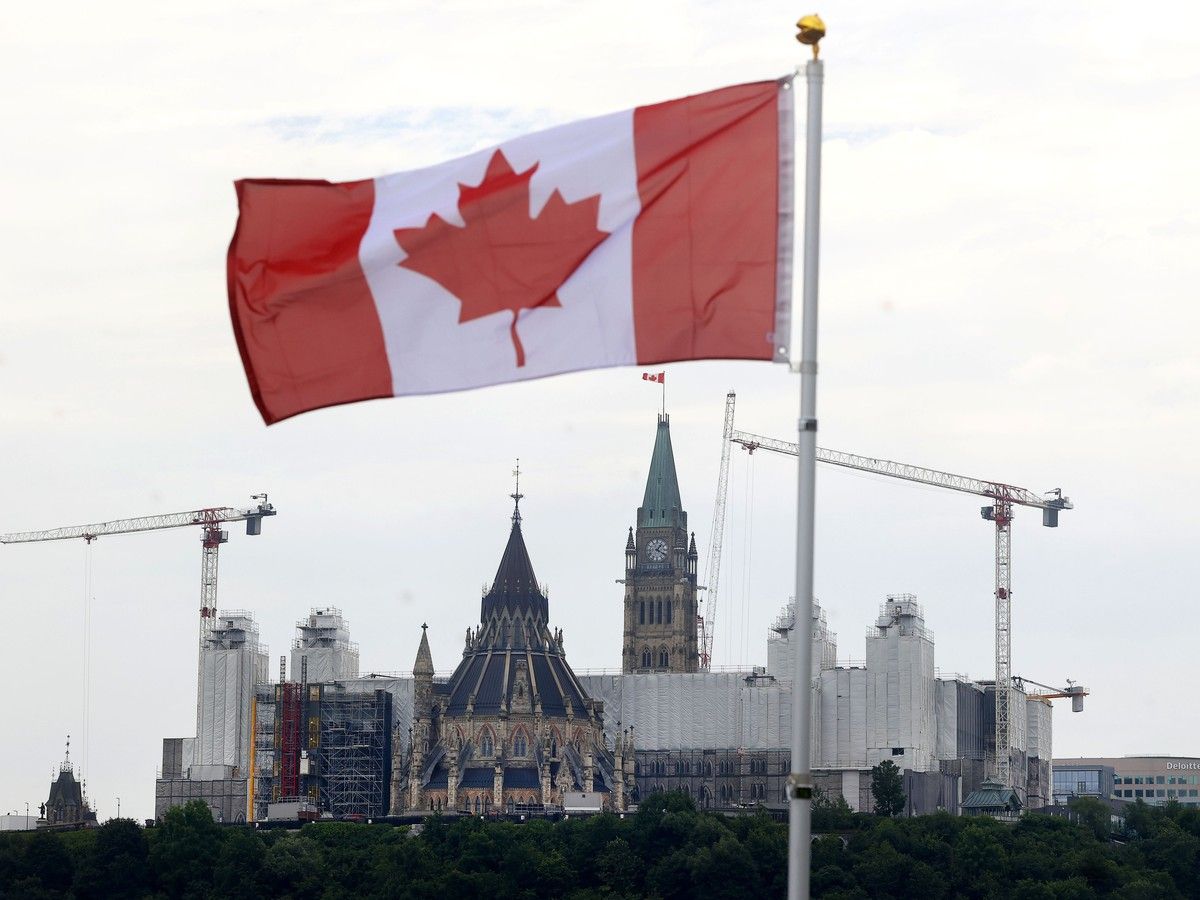
A pathway behind Parliament Hill has finally reopened after being closed for four years. The work done on it will help the area deal with the effects of climate change in the future.
This article does not talk about the proposed law for Gatineau Park. It focuses on a pathway reopening.
The article does not explain the proposed law at all, as it covers a different topic.
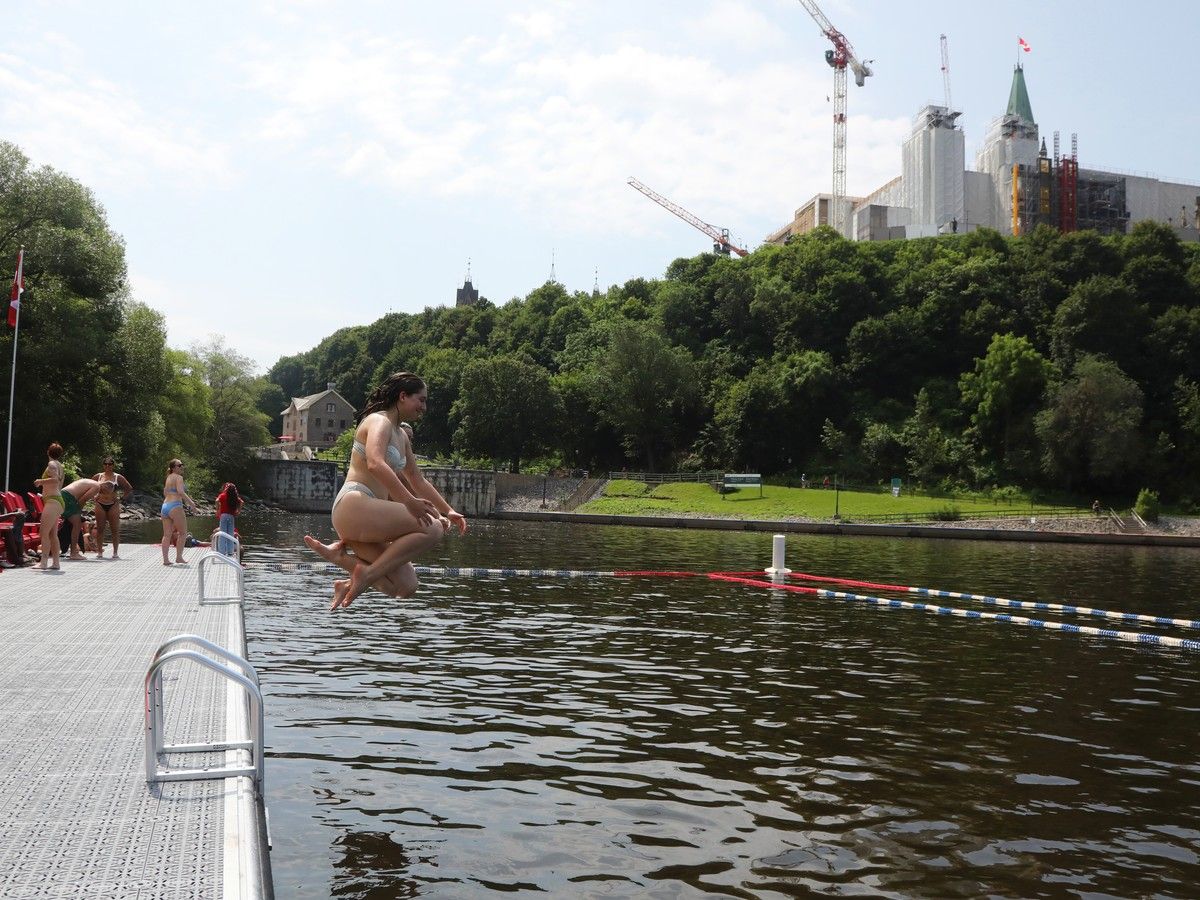
Someone recently tried out a new swimming dock on the Ottawa River, put there by the NCC. This new spot lets people swim with a great view of Parliament. It's a new way for residents and visitors to enjoy the river and the city's landmarks.
This article does not talk about the proposed law.
The article does not mention the proposed law, so it does not explain its parts.
Where this proposed law falls on the policy spectrums that Canadians care about
Set your 3 priorities to see how this bill aligns with what you care about.
Sign up free — 30 secThis proposed law aims to protect Gatineau Park by prioritizing ecological integrity and involving the public and Algonquin Anishinabeg Nation in its management. However, it leaves some decisions to be made later through regulations, and the enforcement mechanisms could have unintended consequences.
Things to Watch For
- The exact details of public and Indigenous consultation will be determined later.
- The rules about what activities are allowed in the park will be set in future regulations.
- It is not clear how the ecological integrity objectives will be measured and enforced.
- The disposal of land to Algonquin Anishinabeg organizations is limited to specific services.
- The rules about fees for using the park's resources and services will be determined later.
- The law does not specify how conflicts between ecological integrity and public use will be resolved.
Click any step to learn what it means
Loading...
Click any step to learn what it means
Loading...
How likely this proposed law is to be approved
This proposed law is at the second reading in the Senate, so it has cleared an initial hurdle. However, as a Senate public bill, it's less likely to pass than a government-sponsored one.

Sign in to join the discussion.
Loading comments...