Bill C-278 — Bill Proposes Changes to How Parliament Operates
Parliament Rules Update
This proposed law would change the rules for people elected to Canada's Parliament. Right now, if someone is elected to represent an area for one political group, they can later decide to join a different political group and still keep their job. This new law would stop that. If an elected person switches to a different recognized political group, they would automatically lose their position as a representative. This change would affect voters and the people they elect. If this law passes, when you vote for someone from a specific political group, that person could not switch to another group and continue to represent you. Instead, losing their job would mean a new election would have to happen in that area. This new election would let people choose a new representative who aligns with the political group they want to support. This matters because it aims to keep elected representatives accountable to the voters. It means that the person you voted for, based on their political group, would either stay with that group or lose their job, forcing a new vote. This helps ensure that the person representing your area truly reflects the choice you made at the ballot box.

A Liberal MP, Shaun Chen, is resigning from his job. After his announcement, some people online claimed he voted on bills in Parliament while he was actually in China. However, his travel documents prove these claims are false, showing he followed the rules.
This article mostly shares information that helps the Liberal MP Shaun Chen.
The article does not explain what the proposed law C-278 is about.
A Member of Parliament from New Brunswick recently received a pay raise. The House of Commons explained that they had to give him the raise, and he couldn't refuse it even if he wanted to.
This article talks about an MP's pay raise, not the proposed law about switching parties.
The article does not talk about Bill C-278 at all. It discusses an MP's pay raise instead.
During the pandemic, politicians started working and voting from home. Now, six years later, they can't agree if they should keep these "hybrid" rules or go back to everyone being in person.
The article description does not talk about Bill C-278, so its view on the bill is unknown.
The article description is not about Bill C-278, so its facts about the bill cannot be checked.
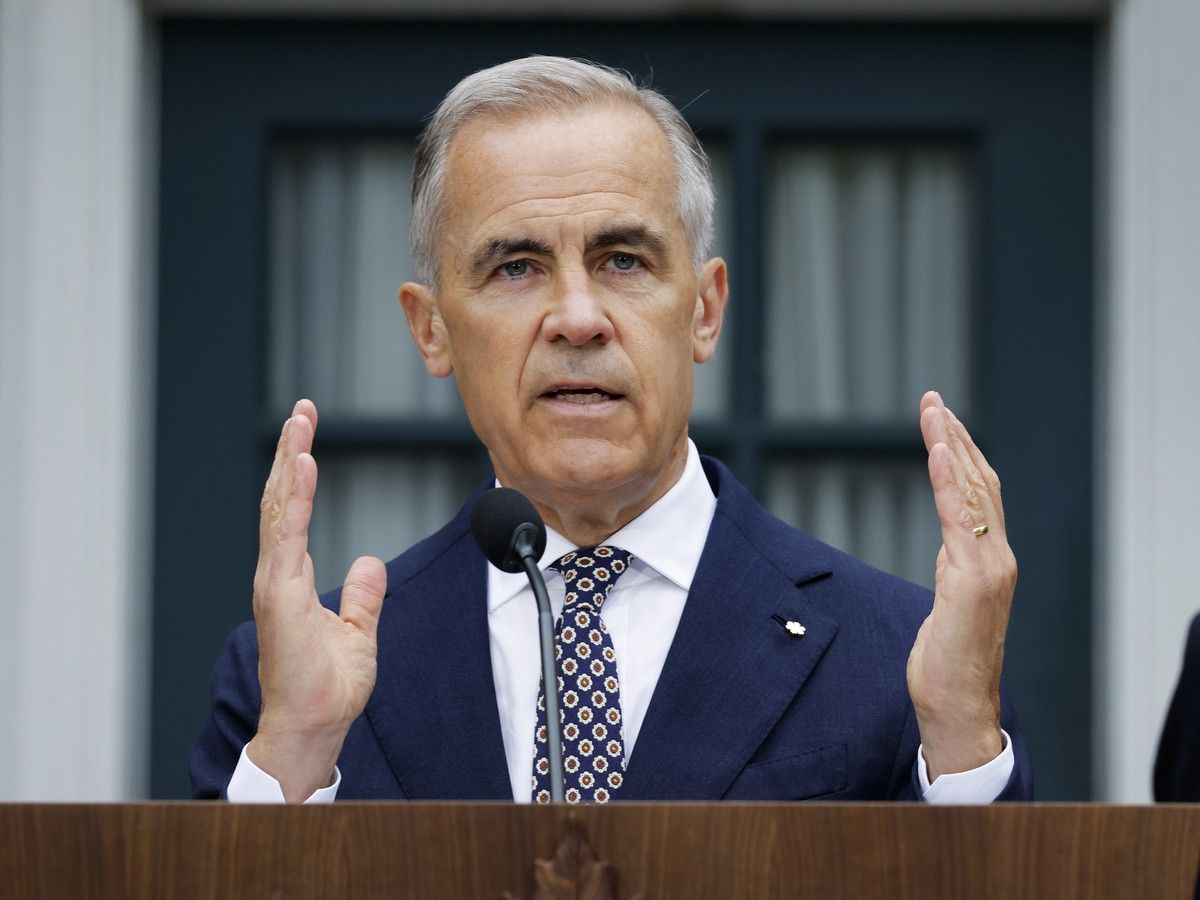
A Liberal Senate representative suggested that Prime Minister Carney might appoint more Conservative senators. This is to make sure the Conservative party, which received over 41% of votes, has a strong voice in the Senate.
This article does not talk about the proposed law (Bill C-278). It focuses on the number of Conservative senators.
The article does not explain what the proposed law (Bill C-278) does. It talks about a different topic.
Richard Martel, who used to be a Conservative Member of Parliament, has been appointed to the Senate. This is quite rare because a Prime Minister from a different political party recommended him for the position.
This article does not talk about Bill C-278.
This article does not explain what Bill C-278 does.

An independent senator named Jim Quinn has decided to join the Conservative party's group in the Senate. This move happened just a day after a close ally of a key Liberal figure was appointed, and Senator Quinn was originally chosen under a system for non-political senators that the Prime Minister is now changing.
This article does not talk about Bill C-278.
The article does not explain what Bill C-278 does.
Prime Minister Mark Carney has started to make his own changes to the Senate by appointing new members and adjusting some old rules. These changes suggest the Senate might become more political and divided, similar to how it was in the past.
This article does not talk about Bill C-278.
This article does not mention Bill C-278.

The Prime Minister can now appoint more members from his own Liberal party to the Senate. This means the government might have an easier time getting its laws passed in the Senate.
This article does not talk about Bill C-278.
This article does not explain Bill C-278.
Prime Minister Mark Carney has appointed two new people to the Senate. One is a top adviser to him, and the other is a Conservative Member of Parliament. He's doing this to bring back more political voices to the Senate, which hasn't had many recently.
This article does not discuss Bill C-278.
This article does not explain Bill C-278 because it is about a different topic.

Prime Minister Carney has appointed his first four people to the Senate, including a Conservative MP and a Liberal strategist. This signals a change from the previous government's policy of trying to appoint only non-political people to the Senate.
This article is about Senate appointments, not Bill C-278.
The article does not mention Bill C-278, so it does not explain the law.
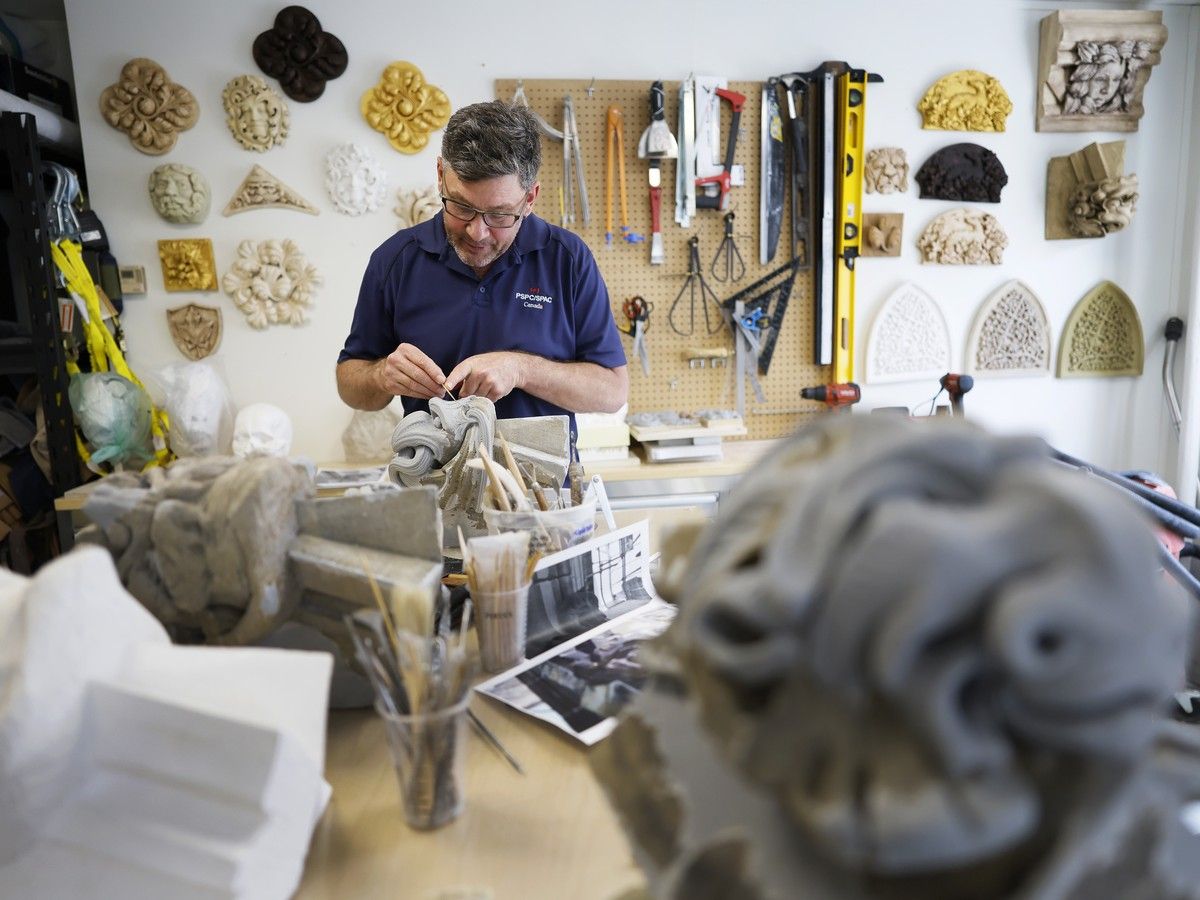
Parliament Hill has about 700 sculptures on the outside of its buildings. A small team of artists, led by Canada's Dominion Sculptor, is kept very busy making and maintaining all of them.
This article does not talk about the proposed law.
This article does not explain the proposed law.
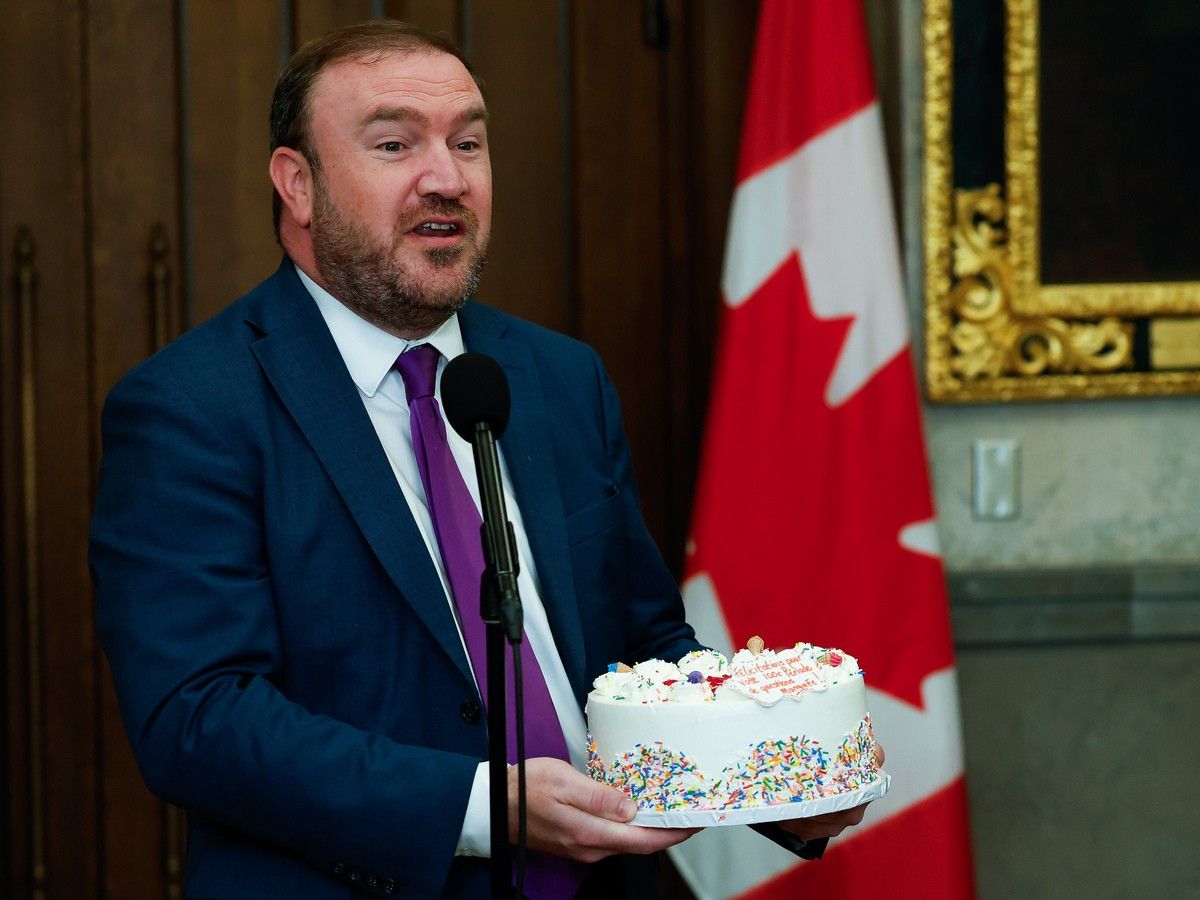
The Conservative party recently highlighted that MP John Carney has missed 100 question periods in Parliament. They even brought a cake to draw attention to it, with a Conservative leader saying Carney was in Ottawa for most of the times he was absent. This was a way for the Conservatives to suggest Carney wasn't doing his job of being present and accountable.
This article mostly shares the Conservative party's view on a politician's attendance.
The article does not explain what Bill C-278 is about.
Even though new rules have reduced some free trips for Canadian politicians, many still travel to places like Taiwan, paid for by foreign governments and groups. These groups aren't officially registered to lobby, which raises concerns about potential foreign influence on our politicians.
This article does not talk about Bill C-278.
The article does not mention Bill C-278, so it does not explain its parts.

People in Ottawa were wondering if a politician named Carney would let senators rejoin the Liberal party's main political group, after they were asked to leave years ago. A senior government official now says Carney isn't planning to do that.
This article does not talk about Bill C-278.
The article does not explain Bill C-278 because it is not about this law.

Prime Minister Carney will continue to use the same group of advisors that the previous government used to help choose new Senators. However, he hasn't said when he plans to fill the many empty seats in the Senate.
This article does not talk about Bill C-278.
This article does not mention Bill C-278, so it does not explain the law.
Three new Liberal members of Parliament officially took their seats in the House of Commons this week. Their wins in recent special elections mean Prime Minister Mark Carney's party now has enough seats to form a majority government. This makes it easier for them to pass laws and get things done.
This article does not discuss Bill C-278.
This article does not talk about what Bill C-278 does.
This article looks at important questions about how Canada's government works, even with all the political disagreements. It explores how our democracy is supposed to function and if it's doing its job properly.
This article looks at the bigger questions about how Canada's democracy works because of this proposed law.
We cannot tell if the article explains the law correctly from the information given.

The Liberal government wants to change how committees in Parliament work, now that they have a majority of seats. Other parties, like the Conservatives and the Bloc, are very upset, saying the Liberals are being too bossy. They feel powerless to stop these changes, which affects how much say opposition parties have in government decisions.
This article mostly shares the opposition parties' concerns.
The article talks about changing committees, not about Bill C-278.

The government, led by Prime Minister Carney, is planning to change how committees in Parliament work. If their plan passes, more Liberal members would be added to these committees, while the number of Conservatives and Bloc Québécois members would stay the same. This would give the Liberals a stronger voice on important parliamentary decisions.
This article talks about changes to how committees work, not about elected people switching parties.
The article does not talk about the proposed law C-278 at all.
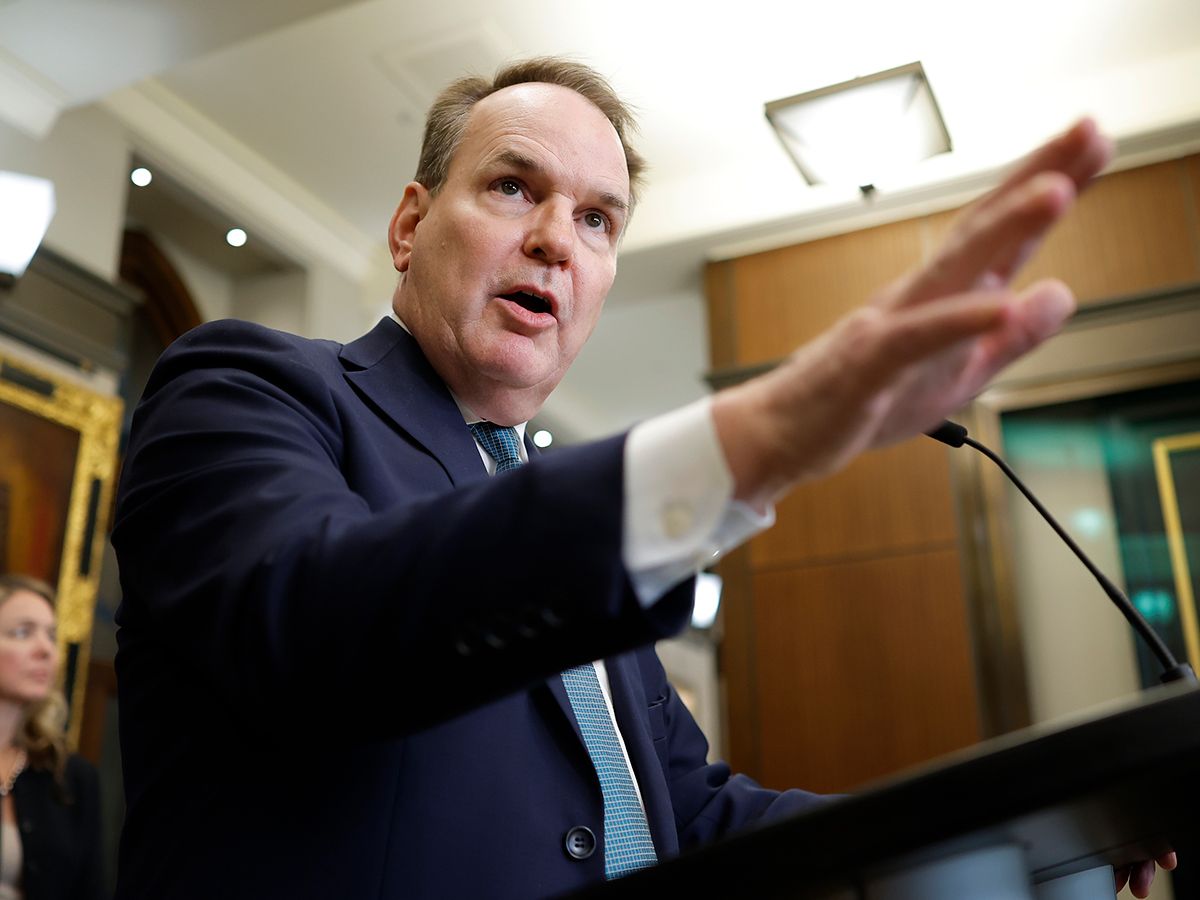
The Liberal government plans to introduce a motion to take more control of parliamentary committees. They believe that since they have the most seats in Parliament, they should also have the most power on these committees.
This article mostly shares the government's reasons for the motion.
The article correctly states the Liberals plan to table a motion about committee control.
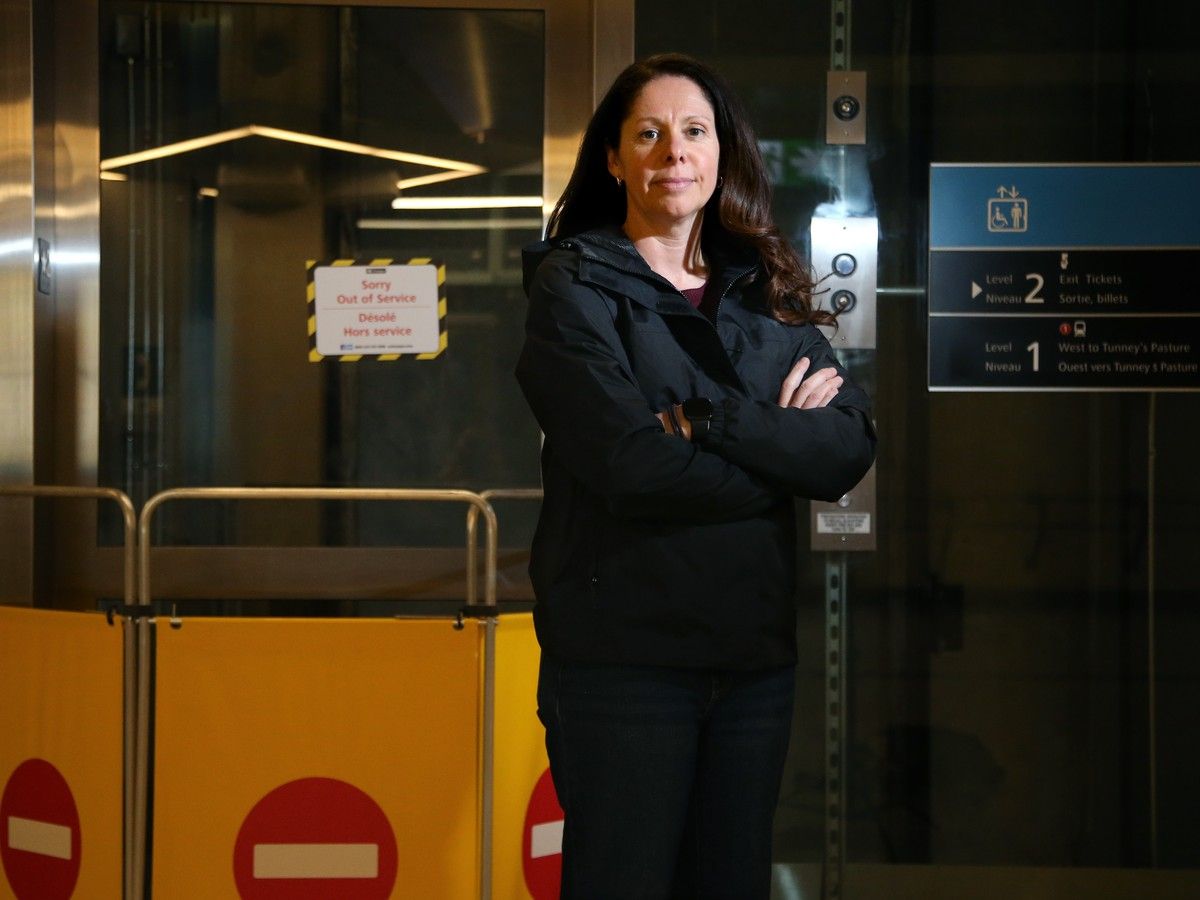
A 92-year-old person fell at Parliament Station because the elevator was broken. There were no signs to tell him where the other working elevator was, so he tried to use the stairs instead.
This article does not talk about the proposed law.
This article does not explain the proposed law.

Conservatives are concerned about recent changes to how committees in the House of Commons are put together. They believe the number of seats each party gets on these committees should directly reflect the results of the last general election. This matters because it ensures the committees fairly represent how Canadians voted.
This article gives a voice to the Conservative party's concerns about how Parliament committees are formed.
The article does not talk about Bill C-278. It discusses a different topic.

The NDP will receive extra money from Parliament, even though they don't have official party status. This funding will help them hire more staff, like researchers, to support their elected members and carry out their work.
This article does not discuss Bill C-278.
This article does not discuss Bill C-278, so it does not explain its parts.
The NDP will once again receive money from Parliament, which had been cut after their big losses last year. This financial boost will help them pay for their work in the House of Commons.
This article does not talk about the proposed law (Bill C-278).
The article does not discuss the proposed law.

Marilyn Gladu recently switched political parties, which is a significant move. Her decision brings Mark Carney's party very close to having a majority of seats in the House of Commons. If they achieve a majority, it means they will have an easier time passing their laws and plans.
This article talks about politicians possibly switching parties.
The article does not explain what Bill C-278 does.
Where this proposed law falls on the policy spectrums that Canadians care about
Set your 3 priorities to see how this bill aligns with what you care about.
Sign up free — 30 secThis proposed law aims to make Members of Parliament more accountable to the voters who elected them by requiring a new election if they switch political parties. It helps ensure that MPs represent the party or independent status they ran under. However, it doesn't cover all situations, like when an MP leaves a party to become independent or is expelled. It also raises questions about an MP's freedom to change their mind or vote against their party's wishes.
Things to Watch For
- This proposed law does not apply if an MP leaves their party to become an independent.
- It also does not apply if an MP is expelled from their party.
- The law could make individual Members of Parliament less free to vote their conscience if it differs from their party's stance.
- More by-elections could mean higher costs for taxpayers.
- It is not clear how quickly a party leader must report an MP switching parties.
Click any step to learn what it means
Loading...
Click any step to learn what it means
Loading...
How likely this proposed law is to be approved
This proposed law was introduced by an individual member, not the government, and is still in the very early stages. It hasn't even been selected for debate yet, making it very unlikely to move forward and become law.

Sign in to join the discussion.
Loading comments...