Bill C-25 — Law proposes changes to election rules and riding names.
Election rules and riding names changed.
This proposed law aims to update Canada's election rules and voting area names. It changes how elections are run in a few ways. First, it makes it illegal to give false information on candidate nomination papers. It also stops people from signing more than one nomination paper for a candidate in an election. The proposed law also makes it harder for foreign groups to influence Canadian voters by spending money on ads or campaigns. Finally, it stops third parties from using cryptocurrency, money orders, or prepaid cards for election activities. This proposed law affects anyone involved in Canadian elections. This includes voters, candidates, political parties, and groups that spend money to influence elections. It also affects foreign groups that might want to get involved in Canadian elections. This proposed law matters because it tries to make elections fairer and more secure. By stopping false information and foreign interference, it aims to protect the integrity of the voting process. It also makes sure that only Canadians can donate to election campaigns run by outside groups.

The Liberal party is currently ahead in three special elections happening across the country. This is important because a candidate named Carney is trying to help the Liberals win enough seats to form a majority government. One of these elections is for a seat that used to belong to a Conservative politician.
This article does not talk about Bill C-25.
This article does not explain Bill C-25.

Conservative MP Larry Brock is stepping down from his job in Parliament next month. This means there will be a special election, called a byelection, to choose a new representative for his area, making it the eighth one recently across Canada.
This article does not talk about the proposed law.
This article does not explain what the proposed law does.
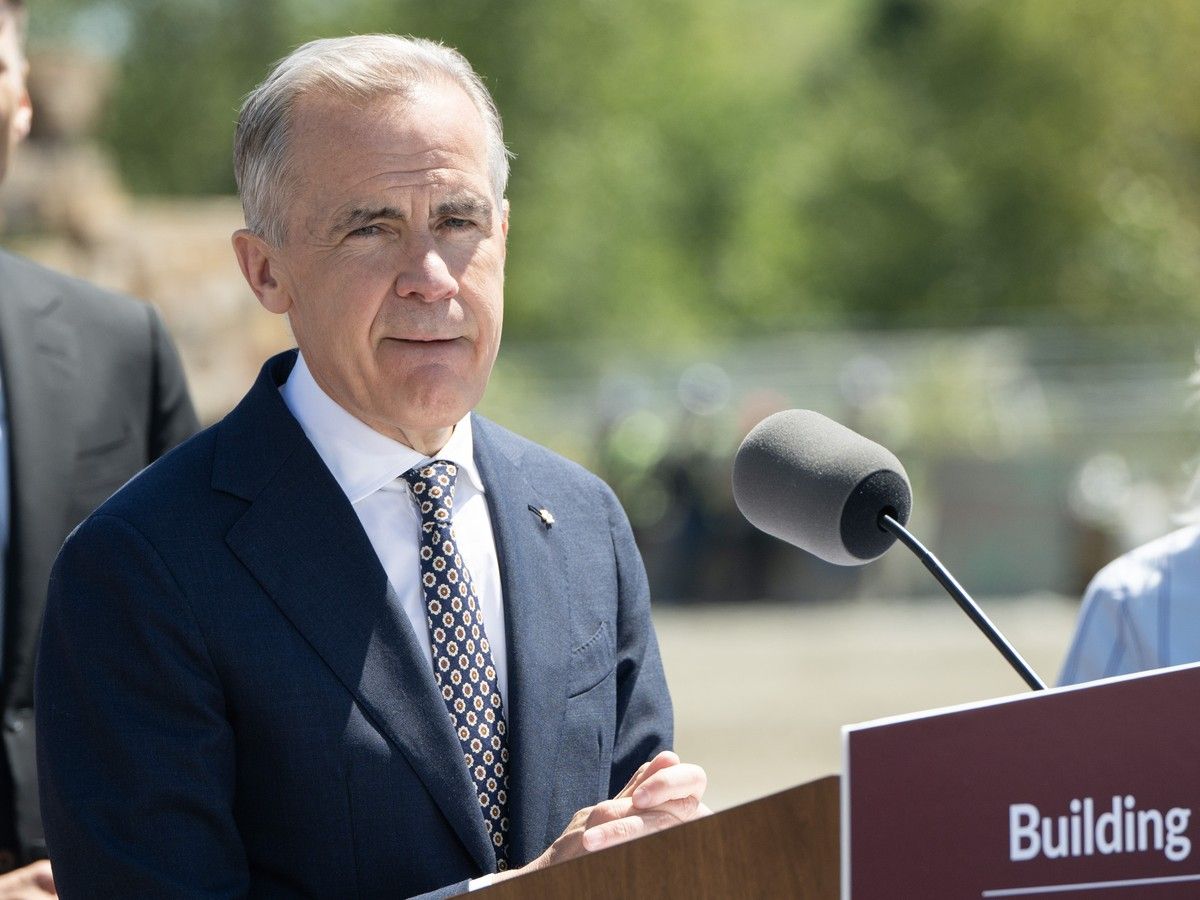
The Liberal party stopped a debate at an ethics committee about looking into a "Carney condo 'bailout'". This investigation was proposed because of claims that property developers, who paid $1,775 per ticket, attended a recent Liberal fundraiser. By shutting down the debate, the committee won't further examine any potential link between these developers' donations and the 'bailout' issue.
This article focuses on the Liberal party's actions and the opposition's attempts to investigate.
The article does not explain what Bill C-25 does.

The Canadian government wants to change the rules about who can run in elections. Now, people can only sign one form for each person who wants to be a candidate. This is to stop people from signing many forms to make it harder for candidates to get on the ballot.
This article explains what the proposed law does and who it affects.
The article correctly says the law limits people to signing only one nomination form per candidate.
Where this proposed law falls on the policy spectrums that Canadians care about
Set your 3 priorities to see how this bill aligns with what you care about.
Sign up free — 30 secThis proposed law aims to strengthen the integrity of Canadian elections by making it harder for foreign entities to influence them and by increasing transparency around who funds political activities. It also clarifies rules around nomination papers and voting. However, it leaves some important details about enforcement and potential impacts on smaller groups to be seen.
Things to Watch For
- The law does not clearly state how the new rules against foreign influence will be enforced.
- Small organizations might find it difficult to track and report all contributions from Canadian individuals.
- The law does not explain how 'false or misleading information' in nomination papers will be defined or proven.
- It is not clear if there will be support or guidance for third parties to comply with the new rules on cryptoassets and other payment methods.
- The law does not specify penalties for all new prohibitions, which could make some rules less effective.
Click any step to learn what it means
Loading...
Click any step to learn what it means
Loading...

Sign in to join the discussion.
Loading comments...